Seeing Green: How the Grass Affects You
What’s in a name like Tifgreen or Tifdwarf? The “Tif” varieties of warm-season bermudagrasses came about as a result of research in Tifton, Georgia. B…
From the Spring/Summer 2008 issue of the Maui Golf Review
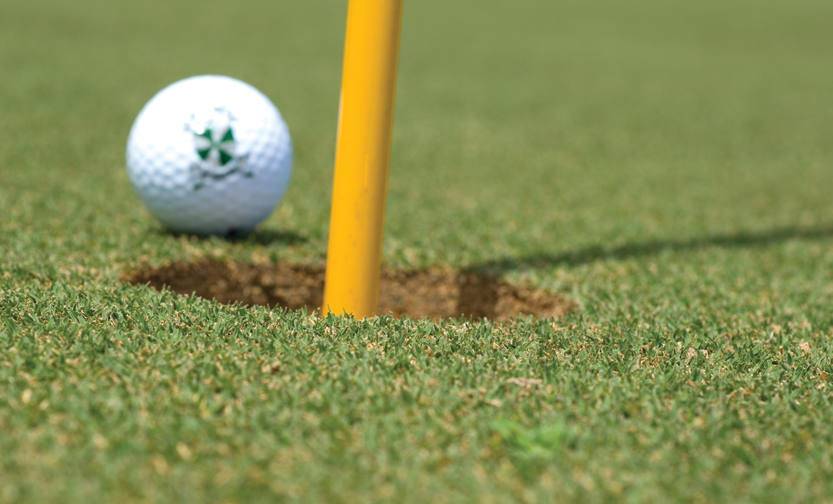
What’s in a name like Tifgreen or Tifdwarf? The “Tif” varieties of warm-season bermudagrasses came about as a result of research in Tifton, Georgia. Back in 1946, a grant in the amount of $500 was awarded to supplement the University of Georgia’s forage grass breeding program, and so began the development of better turf on golf course fairways and greens.
Several years of testing went by in which different varieties of bermudagrasses were put to the test. In 1956, out of these rigorous trials came Tifton 328, later named Tifgreen. This low-growing, dark green grass is commonly used on many of Maui’s golf course fairways, such as Kapalua’s Bay Course, The King Kamehameha Golf Club, and Makena’s North and South Golf Courses.
Another variety of turfgrass to come out of Tifton was Tifdwarf, which was released in 1965. This variety has many of the same characteristics as Tifgreen, but with finer, shorter leaves and stems—allowing for a better, faster putting surface. Courses on Maui that use Tifdwarf on their greens include The Dunes at Maui Lani and Makena’s North and South Golf Courses. Many other varieties of bermudagrass came out of Tifton that were better than their predecessor, but research still continues at many laboratories and universities in search of that illustrious “perfect” golf course turf.
Waiehu is a hidden treasure where you can play golf along the oceanfront 7 days a week. In fact, Waiehu has more seaside holes than any other golf course on Maui. It is also the most affordable game in town. Sound enticing? It is.